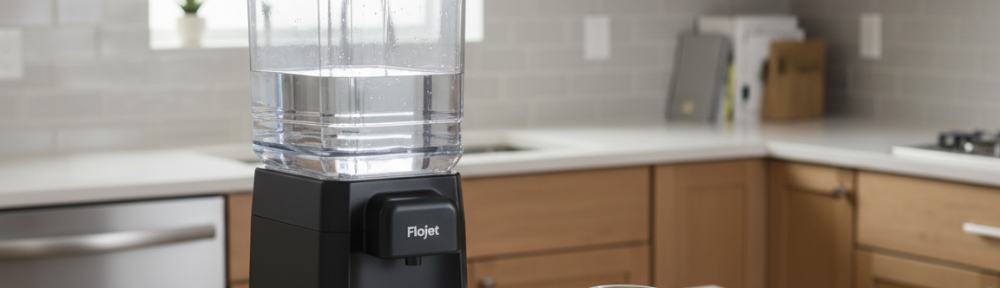
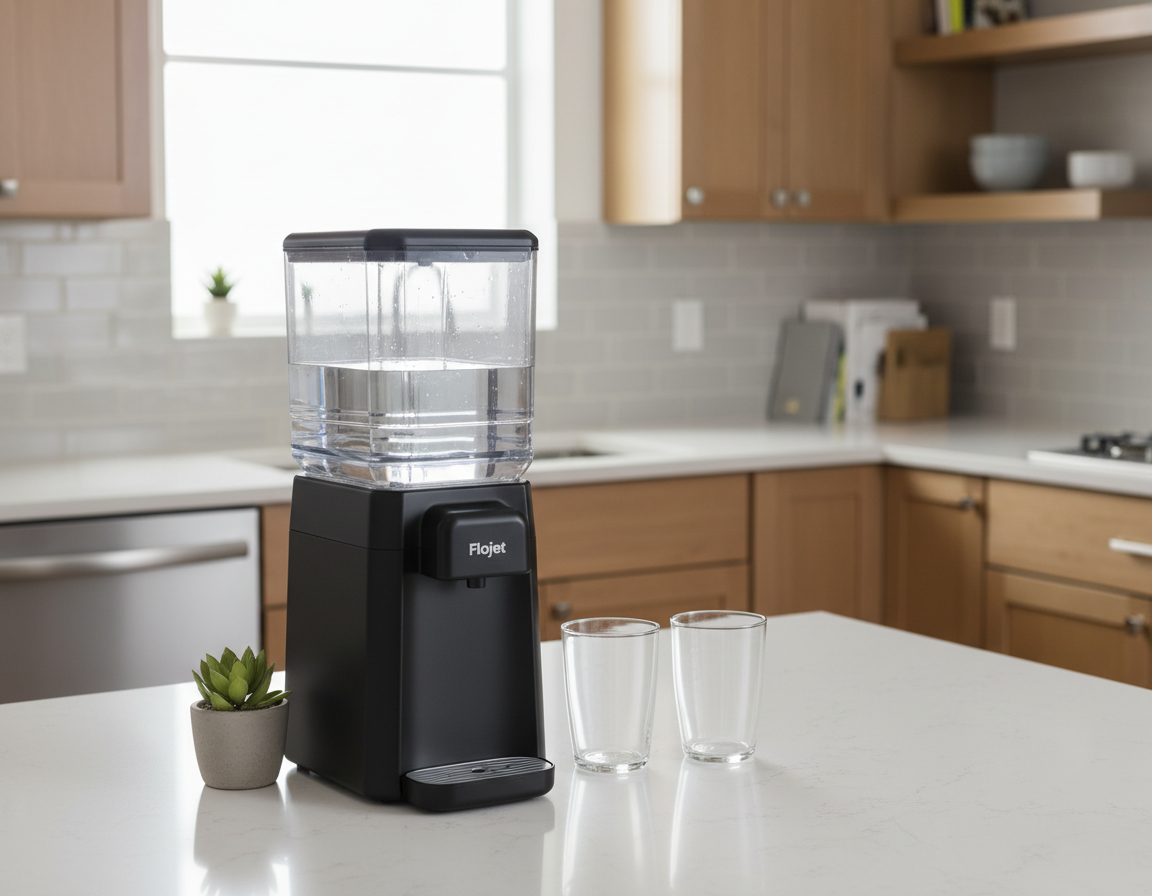
The Flojet Bottled Water Dispenser delivers a simple, hygienic way to hydrate homes and offices without the need for complex plumbing. Models like the flojet bw5000 and other bw5000 flojet variations provide automatic dispensing for 3- to 5-gallon bottles. These units serve as both bottled water coolers and electric water pumps, reducing the need for manual lifting and speeding up service in break rooms and kitchens.
Check out Flojet Parts
Created for office managers, facilities teams, catering staff, and homeowners, this bottled water cooler is valued for its ease of installation and compatibility with standard bottles. Consumer pumps operate on 110–120V AC, consuming about 30–60 W. They come equipped with self-priming motors and automatic pressure switches for reliable, effortless performance.
On the market, similar electric bottled water pump systems are priced around $100–$120 for consumer-grade units. Higher prices apply to dual-outlet or high-flow models. The main benefits include reduced manual handling of heavy bottles, faster access to chilled or ambient water, and enhanced workplace hydration through a compact home water dispenser or a robust office water dispenser setup.
Key Takeaways
- Flojet Bottled Water Dispenser units, including flojet bw5000, provide fast, plumbing-free hydration.
- They are designed for standard 3–5 gallon bottles and serve as either a bottled water cooler or an automatic water dispenser.
- Typical consumer units use 110–120V and 30–60 W while offering self-priming motors and pressure switches.
- Comparable electric bottled water pump systems are often priced around $100–$120.
- These systems suit homeowners, office managers, and hospitality staff who want simple installation and reduced bottle lifting.
Overview Of Flojet Bottled Water Dispenser Technology And Benefits
Flojet bottled water dispensers efficiently transfer water from 3- to 5-gallon bottles to coolers or taps. They utilize a compact electric drive. The systems employ a sealed diaphragm or piston-driven pump, ensuring self-priming without manual intervention after bottle changes. This design, along with sealed motors and encapsulated windings, shields internal components from moisture, extending their lifespan.
What A Flojet System Is And How It Works
A Flojet system connects to the bottle via tubing or a neck adapter, drawing water through a check valve to maintain pressure. Many models feature an automatic dispenser control that starts on demand and stops when pressure or tank level reaches a set point. Additional features include dry-run protection and thermal overload safeguards, safeguarding the motor under heavy use.
Key Benefits For Home And Office Use
The Flojet Bottled Water Dispenser eliminates the need for heavy lifting and reduces spills, making it perfect for offices and homes. Its bottom-access and plumbed setups keep countertops clear and simplify refills. In busy break rooms and kitchens, it speeds up beverage preparation for coffee and tea, minimizing handling time.
Hygiene is enhanced due to sealed tubing and automatic systems, which minimize contact with bottle necks and spigots. Portable models are ideal for leased spaces and events, while multi-outlet or high-pressure variants handle heavy traffic without additional labor.
Typical Components And Materials Used (Stainless Steel, High-Grade Plastics, Seals)
Wetted pump faces and internal flow paths often feature stainless steel components for corrosion resistance and food safety. The outer housings, crafted from high-grade plastics, meet FDA and NSF standards, reducing weight and resisting impact.
Seals and gaskets, typically made from silicone or rubber elastomers, are strategically placed at motor shafts, housing joints, and inlet/outlet fittings. They ensure a watertight system and withstand temperature fluctuations. Ceramic-coated shafts and hard-coated impellers are used to enhance wear resistance, extending the system’s lifespan under frequent use.
Modular designs facilitate quick flojet parts replacement, such as diaphragms, check valves, and tubing. This approach minimizes downtime and reduces ownership costs over time.
Types Of Flojet Pumps And Model Comparisons
When selecting a pump, consider your flow requirements, available space, and the dispenser’s intended use. Flojet offers a variety of pumps, from high-pressure units for high-traffic areas to compact models for mobility. This guide will help you choose the right pump for your office water dispenser, event cart, or commercial bottled water setup.
High-pressure pump options provide rapid flow and consistent delivery, ideal for areas with multiple users. These pumps, often rated near 60 PSI, come with an automatic pressure switch for efficient operation. They’re perfect for busy break rooms, cafeterias, gyms, and hospitality settings where reliable hot/cold dispensers are essential. Expect robust construction and self-priming capabilities, though they may generate more noise and consume more energy.
Portable and compact Flojet pumps are designed for smaller spaces, such as kiosks, RVs, labs, and small offices. These pumps prioritize space efficiency and ease of installation. They’re great for field events and temporary hydration stations, with single-inlet designs like the flojet bw5000 series being common.
Multi-outlet pumps serve multiple dispensing points from a single source, reducing the need for duplicate units. Ideal for schools, large offices, and high-traffic retail areas, these pumps require more complex plumbing and a larger initial layout. Despite this, they offer operational efficiency and consistent pressure across outlets, making them a worthwhile investment.
Flojet pumps with built-in filtration combine pumping and treatment to enhance water quality. These systems remove chlorine, sediment, and other impurities during dispensing. They’re perfect for healthcare and education settings. While filtration adds maintenance requirements, with cartridges needing replacement every 6–12 months, it slightly reduces maximum flow.
- Electric water pump models vary in duty cycle and noise, and commercial settings should use units rated for continuous operation.
- Where demand is heavy, higher-flow and higher-pressure bottled water pump commercial models are the better choice.
- For tight spaces, compact Flojet pump models and portable bottled water pump units help simplify installation.
Performance Specs To Review When Choosing A Pump
When selecting a Flojet pump, it’s essential to set clear performance goals. Ensure the pump’s specs align with your dispenser’s use. This ensures the flow and pressure meet your needs without wasting energy. Even small upgrades can significantly enhance the user experience in various settings.
Flow rate and pump sizing based on demand
The flow rate GPM indicates the speed at which water is dispensed. Home pumps usually operate at 0.2–0.5 GPM, while commercial units can reach 0.5–1.0+ GPM. When choosing, consider the bottled water pump flow and model specifications, such as the flojet bw5000 flow. Assess peak usage scenarios and select a higher GPM for high-traffic areas like gyms or cafeterias to minimize wait times.
Pressure ratings (PSI) for residential versus commercial needs
PSI ratings are critical for ensuring proper water flow to temperature-controlled tanks and multiple outlets. Residential setups typically require 20–40 PSI, while commercial environments need 40–60 PSI. It’s vital to match the pump’s pressure rating with the dispenser’s design to avoid overpressure or poor flow. This is even more important for systems that handle both hot and cold water.
Noise level and motor design in quiet settings
In quiet environments like offices, clinics, and libraries, noise level is a significant factor. Opt for low-noise Flojet models with sound levels under 45 dB. Features such as vibration isolation, balanced diaphragms, and sealed motors contribute to reduced noise. For extremely quiet environments, consider a quiet water pump or add insulation at the mount.
Energy use and efficiency considerations
Most consumer and small commercial pumps operate in the 30–60 W range on 110–120V AC. Higher flow and pressure rates increase energy consumption. An energy-efficient pump can lower operational costs and reduce waste during idle periods with features like automatic shutoff and thermal protection. Balance the pump’s efficiency with your expected dispense time and daily volume.
- Align bottled water pump flow with expected peak users and outlet demand.
- Verify PSI ratings against dispenser limits to protect components.
- Choose low-noise Flojet or quiet water pump options for sensitive environments.
- Review flojet bw5000 flow and flojet energy use when comparing efficiency.
Flojet Parts, Common Repairs, And Maintenance
Regular maintenance of a bottled water dispenser is key to its longevity. A simple routine can prevent costly service calls. Start by inspecting the exterior, bottle neck adapters, and tubing weekly. Sanitize components as recommended by the manufacturer to maintain cleanliness.
Routine water pump maintenance
- Clean bottle fittings, tubing, and inlet strainers to prevent sediment buildup.
- Inspect silicone and rubber seals for cracking or brittleness and replace them when worn.
- In filtered models, replace cartridges every 6–12 months to maintain strong flow and good taste.
Common repairs and pump troubleshooting
Issues like no flow or low flow often stem from bad bottle connections, kinks in tubing, clogged filters, or worn diaphragms. Always check for power and automatic shutoff sensors. Leaks usually result from seals, hose clamps, or fittings; replace damaged gaskets and tighten fittings. Excessive noise or vibration can signal loose mounting hardware, worn diaphragms, or motor bearing issues.
When overheating or dry-run problems occur
- Dry-run conditions can damage seals and diaphragms, so verify dry-run protection and inspect parts after the event.
- Motor overheating can happen because of blocked vents or continuous use beyond the duty cycle; allow cooling time and inspect electrical protection devices.
Common replacement parts
Common service parts include diaphragms for Flojet, elastomeric seals and gaskets, check valves to prevent backflow, and replacement tubing with compatible fittings. Diaphragms and seals wear out with heavy use or thousands of cycles. Tubing may discolor or harden, requiring replacement when deterioration is evident.
Repair kits and Flojet pump repair parts
- Many repair kits bundle O-rings, diaphragms, and check valves to simplify field repairs.
- For correct fit, order flojet pump repair parts that match the model number, pressure and flow ratings, and bottle connection style.
Where to find genuine parts and repair support
For replacement components, choose genuine Flojet parts to ensure material safety for potable water. Installation Parts Supply Flojet parts are available through a plumbing wholesale distributor channel for contractors and facility managers. Authorized Flojet service centers and Installation Parts Supply can offer technical guidance on model compatibility and water dispenser troubleshooting.
Parts sourcing tips
- Use the pump model and serial number when ordering flojet parts.
- Maintain a small inventory of diaphragms for Flojet, replacement tubing, and check valves to reduce downtime.
- Filtered water helps reduce sediment and mineral buildup, lowering long-term maintenance needs.
Commercial And Residential Applications For Bottled Water Dispensers
Flojet pumps are versatile, fitting into various settings where clean drinking water is essential. They power both bottom-load and plumbed bottled water coolers, providing hot and cold water without the need for heavy lifting. This efficiency streamlines beverage preparation, reducing strain on employees and family members alike.
Office water dispenser and break room water cooler installations benefit from high-pressure or multi-outlet pumps in larger settings. For smaller kitchens and shared workspaces, compact pumps are ideal. Regular maintenance ensures the water remains fresh and meets high sanitation standards.
Gym water dispenser stations and school water cooler installations require steady flows and frequent use. Durable, corrosion-resistant materials and scheduled cleaning are essential for these high-traffic areas. This setup supports refill stations in fitness centers, lockers, cafeterias, and hallways effectively.
Retail kiosks and pop-up vendors benefit from compact or multi-outlet bottled water cooler setups. Portable units are perfect for high-traffic points. Event teams rely on a reliable event hydration pump for conferences and outdoor gatherings, ensuring a steady supply of water.
Hospitality teams use a quiet hospitality water pump for catering and guest areas, providing hot and cold drinks without plumbing changes. Portable Flojet-powered dispensers are ideal for catering tents, banquet rooms, and temporary serving lines.
Industrial sites install rugged pumps into an industrial hydration station to reduce heat stress and keep crews hydrated. Some facilities use pumps for non-potable tasks like rinsing tools, where on-demand flow and portability are key.
At home, a home water dispenser or bottled water cooler home offers chilled or heated water without altering plumbing. Countertop and bottom-load systems with a small Flojet pump meet family needs, workshops, and small home offices.
For leased units and temporary needs, Flojet solutions provide a simple leased space water solution. They install and remove without permanent changes. Choosing a temporary water dispenser or bottled water pump home for events and short-term rentals cuts infrastructure costs while maintaining professional service.
- Office efficiency: reduces downtime during bottle changes and speeds up beverage preparation.
- High-traffic venues: use high-flow pumps and corrosion-resistant parts.
- Portable applications: support pop-ups, trade shows, and temporary catering setups.
- Residential convenience: serves workshops, kitchens, and home workspaces effectively.
How To Pick The Right Flojet Bottled Water Dispenser
Begin by evaluating your demand: consider daily usage, peak hours, and the number of users at once. This will help you determine the necessary flow rate and whether a multi-outlet system is essential. Calculate the gallons per minute (GPM) needed for your busiest hour. This step ensures you select a Flojet Bottled Water Dispenser that meets your needs without overspending.
Next, assess the pressure and location requirements. For residential settings, 20–40 PSI is usually sufficient. Commercial environments often need 40–60 PSI. If noise is a concern in an office or hospitality setting, opt for pumps with a noise level under 45 dB. Also, ensure compatibility with dispenser heads and any temperature control systems you plan to use.
Think about the materials, filtration, and serviceability of the dispenser. Opt for units with stainless steel wetted parts, food-grade plastics, and durable seals to enhance longevity. Consider if integrated filtration is necessary and factor in the cost of filter replacements every 6–12 months. Verify access to genuine Flojet parts, such as diaphragms, seals, check valves, and tubing, from trusted suppliers like Installation Parts Supply for repair kits and technical assistance.
Balance your budget with the total cost of ownership. While many consumer pumps near $100–$120 offer high flow rates, consider long-term expenses like energy use and filter replacements. Cross-check model numbers for accuracy—bw5000 flojet selection is a good example to confirm specifications. When replacing a unit, bring the existing model/serial information to your distributor. Prioritize sealed motors and dry-run protection for reliable, low-maintenance performance suitable for both home and commercial use.