Earth Bound Building: Strawbale Homebuilding in Anne Arundel
Were you aware how homes made using eco-friendly materials may lower energy costs as much as 50%? This is just one reason why increasing numbers of homeowners prefer sustainable architecture. Earth Bound Building, located in Anne Arundel, leads this movement, delivering innovative and high-efficiency projects.
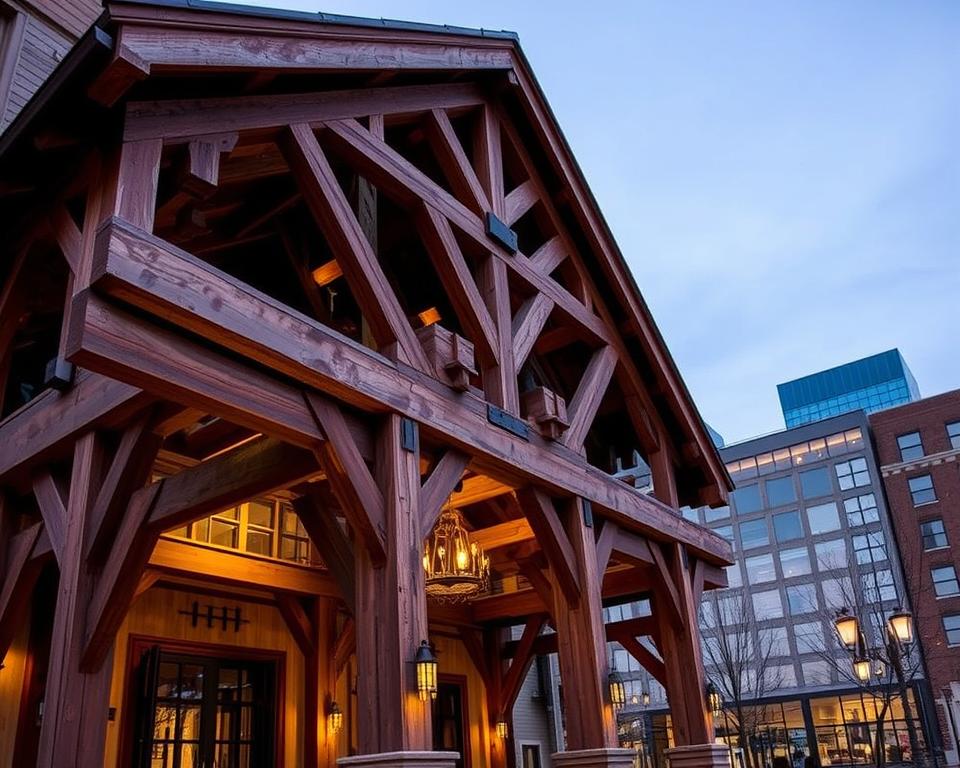
Through the use of renewable materials like straw bales within timber frames, Earth Bound Building builds commercial timber frame construction Anne Arundel which are not only eco-friendly but also incredibly robust. The team’s approach integrates time-honored craftsmanship with current ecological practices, ensuring every project meets the strictest standards of sustainability.
What sets Earth Bound Building apart comes from their hands-on approach and deep community involvement. They collaborate with homeowners to create spaces that express their values and needs. For those seeking a more sustainable way to build, Earth Bound Building is your trusted partner in Anne Arundel.
About Straw-bale Construction?
Straw, often seen as waste, is transforming eco-design. Straw bale construction utilizes stacking bales in timber frames to build walls that are simultaneously insulating and structural. The technique reuses an agricultural byproduct, making it a regenerative and low-impact choice.
Straw comes from grain crops such as wheat, rice, or barley. Rather than burning or discarding it, farmers can supply it for construction. This helps reduce agricultural waste and provides a sustainable material for homes. The process is simple, well-suited to owner-builders and community projects.
One of the standout features of straw bale walls is their insulation performance. Versus traditional materials such as fiberglass or wood, straw bales offer a higher R-value. In practice, this means they retain heat better, producing lower energy costs. Here’s a quick comparison:
| Material | Thermal R-Value/inch |
|---|---|
| Strawbale | R-2.38 |
| Fiberglass | R-2.20 |
| Wood | R-1.41 |
Another advantage is the use of chemical-free materials. Straw bales are free from harmful chemicals, supporting better indoor air quality. Consequently, they are a wise choice for families and environmentally conscious homeowners.
In summary, straw bale construction is a low-impact, energy-efficient, and health-friendly option. It’s a perfect fit for those seeking to reduce their environmental footprint while gaining long-term savings.
Why Choose Earth Bound Building for Your Project?
Selecting the right team for your sustainable project can make all the difference. Earth Bound Building is a top choice in eco-friendly design, providing modern solutions customized for your needs. The firm’s approach combines state-of-the-art techniques with a profound respect for the environment.
Commitment to Sustainability
Earth Bound Building places a premium on sustainable practices in every project. They use carbon-sequestering straw and low-embodied energy materials to reduce environmental impact. In addition to ecological gains but also ensures long-term savings for homeowners.
Their relationships with regional farmers secure ethically sourced materials. By supporting local agriculture, they contribute to a circular economy. This commitment to sustainability sets them apart in the industry.
Local Expertise in Anne Arundel
With strong connections in Anne Arundel, Earth Bound Building understands the unique needs of the area. They are well-versed in local climate conditions, permitting processes, and supply chains. This expertise ensures smooth project execution and compliance with regulations.
Their tailored designs reflect Anne Arundel’s aesthetic preferences while complying with strict building codes. Whether it’s a residential or commercial project, they deliver results that harmonize with the local environment.
| Category | Earth Bound Building | Conventional Methods |
|---|---|---|
| Material Sourcing | Local, ethically sourced straw | Imported, high-embodied energy materials |
| Energy Efficiency | High R-value insulation | Standard insulation |
| Environmental Impact | Low carbon footprint | Higher emissions |
Earth Bound Building’s dedication to sustainability and local expertise makes them a natural fit for your next project. Their modern practices and community-driven approach ensure a seamless and eco-friendly experience.
The Upsides of Straw-bale Building Anne Arundel
Green building is on the rise for its ability to unite innovation with environmental responsibility. One of the most promising methods in this field is the use of straw bales. This approach provides a range of benefits, from energy efficiency to eco-friendliness, making it an smart option for modern homeowners.
Energy Efficiency and Cost Savings
Straw bale walls offer outstanding insulation, beating traditional materials like fiberglass. With an R-value of 2.38 per inch, they stabilize indoor temperatures, lowering the need for heating and cooling. This can result in energy savings of 50%–75%.
Over time, these savings offset the initial construction costs. Homeowners gain lower energy bills while supporting a greener planet. Here is how straw bales compare to other materials:
| Material Type | Thermal R-Value/inch |
|---|---|
| Straw Bale | R-2.38 |
| Fiberglass | R-2.20 |
| Wood | R-1.41 |
Eco-Friendly and Renewable
Straw is a annually renewing resource that regrows annually, unlike timber, which requires decades to grow. Using straw in construction lowers agricultural waste and fosters a circular economy. It also locks in CO₂ in the walls, contributing to fighting climate change.
Additionally, straw bale walls are non-toxic, enhancing indoor air quality. They are also fire-resistant, with plastered walls surpassing 2-hour fire ratings. This makes them a safe and sustainable choice for any project.
By choosing straw bale construction, you’re building more than a house—you’re supporting a cleaner, more sustainable future.
How Strawbale Homes Are Constructed
There are several ways to create sustainable homes using straw bales. Each method offers unique benefits, from structural support to streamlined installation. Comparing these methods can help you decide on the best approach for your project.
Nebraska Style vs. In-Fill Wall Systems
The Nebraska Style is a historical method where bale walls serve as the primary structural support. This approach is well-suited for smaller homes and focuses on simplicity. The bales are stacked directly on the foundation, eliminating the need for additional uprights or frames.
In contrast, In-Fill Wall Systems use timber frames to carry the structural load. The bales are placed within these frames, enabling faster roof installation and enhanced design flexibility. This method is popular for larger projects where customization is key.
Prefabricated Straw Wall Panels
Prefabricated panels are a next-gen innovation in straw bale construction. These factory-built wall sections cut on-site labor and minimize weather-related risks. They are designed for quick assembly, making them a practical choice for time-sensitive projects.
Below is a comparison of the three methods:
| Method | Key Features | Best For |
|---|---|---|
| Nebraska Style | Load-bearing bales, simple method | Small homes |
| In-Fill Systems | Timber frames, design flexibility | Larger projects |
| Prefabricated Panels | Factory-built, reduced on-site work | Quick installations |
Each method has its strengths, and the choice depends on your project’s needs. Whether you prefer traditional techniques or modern innovations, straw bale construction provides a sustainable and effective solution.
Common Myths About Straw-bale Construction
Many people misunderstand sustainable materials like straw. These myths commonly deter homeowners from exploring eco-friendly options. Here we address some of the most common concerns.
Fire Resistance and Safety
One of the biggest myths is that straw is a fire hazard. In reality, compressed bales do not have the oxygen needed to burn. Lab tests indicate that plastered straw walls can withstand more than two hours of fire exposure. This surpasses the fire resistance of many traditional materials like wood.
Plaster acts as a protective barrier, encasing the bales and inhibiting ignition. This makes straw-based structures surprisingly safe. Here is a quick comparison:
| Material Type | Fire Rating |
|---|---|
| Plastered Straw | 2+ hours |
| Wood | 1 hour |
Pest and Moisture Management
Another concern is pests. Straw has little to no nutritional value, making it unattractive to rodents and insects. When sealed with plaster, it becomes nearly impossible for pests to penetrate. This eliminates one of the most common worries homeowners worry about.
Moisture is also addressable with proper design. Elevated foundations, wide eaves, and vapor-permeable finishes such as vapor-permeable stucco prevent rot. Modern techniques support that these homes remain durable for decades.
See how straw stacks up against traditional materials in moisture control:
| Material | Moisture Resistance |
|---|---|
| Straw with Proper Design | High |
| Wood without Treatment | Low |
By dispelling these myths, it’s clear that straw-based structures are a safe, eco-friendly, and long-lasting choice for modern homes.
Is a Straw-bale Home Right for You?
Planning a home that’s both aesthetic and eco-friendly is easier than you think. With unique features such as thick window niches and sweeping designs, eco-friendly homes provide endless possibilities. Consider why this could be the perfect choice for you.
Customization and Aesthetic Appeal
One of the standout features of these homes is their design flexibility. You can create artful walls, arched doorways, and built-in shelving to match your style. The thick walls also offer strong acoustic privacy, keeping interiors tranquil.
Rustic plaster finishes lend a unique charm, combining modern aesthetics with natural elements. Whether you’re an artist or an eco-conscious family, these homes can be crafted to mirror your personality and needs.
Long-Term Benefits and Sustainability
Opting for a sustainable home isn’t just about the environment—it’s also a wise financial decision. These homes require minimal maintenance over time, thanks to their energy efficiency. With lower heating and cooling bills, you’ll see significant savings on utilities.
Additionally, green homes often qualify for tax incentives and have higher property values. Below is a quick comparison of lifecycle costs:
| Cost Area | Straw Bale Homes | Conventional Homes |
|---|---|---|
| Energy Costs | Lower | Higher |
| Maintenance | Minimal | Regular |
| Resale Value | Higher | Standard |
Earth Bound Building’s consultation process helps ensure your goals match your budget. Whether you’re planning an off-grid retreat or a family home, they’ll work with you every step of the way.
In Closing
Embracing eco-friendly living starts with the right materials and the right team. Straw bale homes offer unmatched benefits, from energy efficiency to longevity. They reduce costs while helping the environment, making them a savvy choice for modern homeowners.
Earth Bound Building is a leader in green construction in Anne Arundel. Their expertise delivers every project achieves the strict standards of quality and sustainability. Choose to join the growing community of homeowners who’ve chosen this progressive approach.
Prepared to move forward? Speak with Earth Bound Building for a tailored consultation. Attend their workshops or visit completed projects to see the benefits firsthand. Building with bale not only crafts a home but also strengthens regenerative agriculture and local economies.